Does a Picnic Basket Actually Keep Food as Cool as a Cooler?
Quick Answer: A traditional wicker or canvas picnic basket provides little to no active insulation compared to a foam or hard-sided cooler, so on a warm day, food in a basket can climb into the food-safety danger zone significantly faster than the same food in a properly packed cooler.
A basket looks the part for a picnic, but for anything beyond a short outing on a mild day, it isn’t doing the temperature job a cooler is built for.
How much of a real temperature difference is there?
An insulated cooler with ice packs can hold food safely below 40°F for several hours even in warm weather, while an uninsulated basket offers little more protection than open air, meaning contents can reach ambient outdoor temperature — often well into the unsafe range — within about an hour on a hot day.
Is a picnic basket ever an acceptable choice?
Yes, for shorter outings with non-perishable food — bread, fruit, chips, and similar items that don’t require refrigeration hold up fine in a basket, since the temperature risk mainly applies to items like dairy, meat, and mayo-based dishes that need to stay consistently cold.

Can a basket be modified to insulate better?
Somewhat — lining a basket with an insulated liner or bag and adding a few ice packs closes much of the gap with a dedicated cooler, though it still generally won’t match the sustained cold-holding of a proper hard-sided or thick-foam cooler over several hours.
What’s the actual danger zone to watch for?
Perishable food sitting between 40°F and 140°F for more than about two hours (or one hour above roughly 90°F outdoor temperature) is the standard food-safety guideline where bacterial growth risk rises meaningfully, which is a useful benchmark regardless of what container is being used.
What’s the safest combination for a longer picnic?
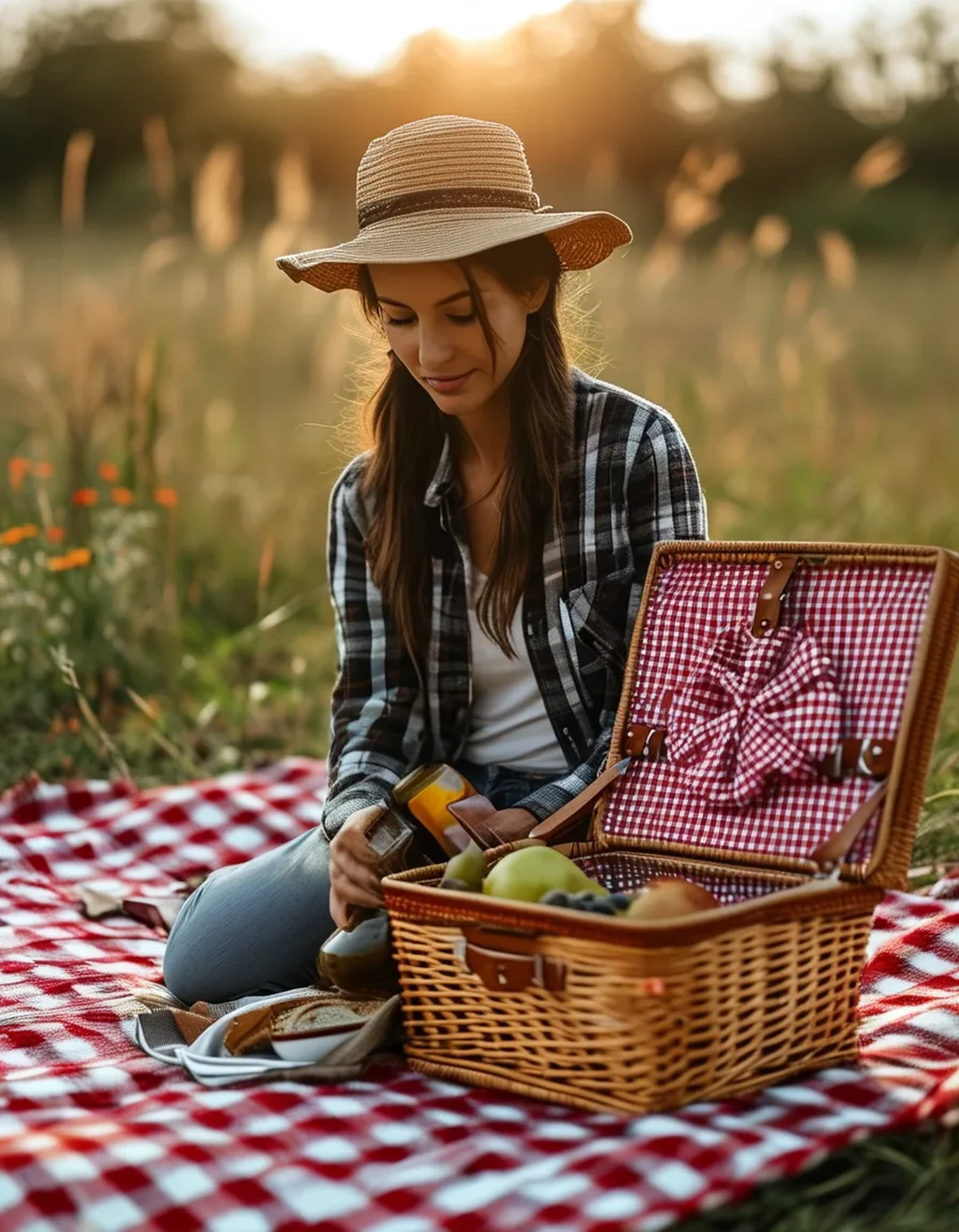
Using a cooler for anything perishable and a basket purely for presentation of non-perishable items — bread, napkins, utensils, fruit — gets the aesthetic of a classic picnic basket without compromising on the food safety a cooler is actually designed to provide.
TL;DR:
- A basket offers little real insulation compared to a proper cooler
- Non-perishable items are fine in a basket regardless of outdoor temperature
- An insulated liner and ice packs can partly close the gap
- The two-hour (or one-hour in heat) danger zone rule applies no matter the container
Using both together — cooler for perishables, basket for the rest — is the practical middle ground.
Keep Reading
This article is for general informational purposes only and is not medical advice. Always consult a qualified health professional for guidance specific to you.