The Actual Temperature Difference Between a Picnic Basket and a Cooler, Tested
Quick Answer: An uninsulated wicker picnic basket offers essentially no meaningful insulation, meaning food inside it warms toward ambient outdoor temperature within roughly one to two hours on a warm day, while a quality cooler with ice packs can hold food safely below 40°F for four or more hours under the same conditions — for any perishable food, a cooler (or at minimum an insulated liner inside a decorative basket) is a real food-safety requirement, not just a nice-to-have upgrade.
A picnic basket’s charm doesn’t come with any real insulating power, and understanding just how fast it warms up changes what’s actually safe to pack inside one.
How much faster does food actually warm up in a basket compared to a cooler, in practical terms?
A traditional wicker or fabric picnic basket has essentially no insulating barrier, so food inside it warms toward the surrounding air temperature almost as quickly as if it were sitting directly in the open air, often reaching unsafe temperature ranges (above 40°F) within one to two hours on a warm day. A well-packed cooler with adequate ice, by contrast, is specifically designed to slow this temperature rise significantly, commonly maintaining safe temperatures for four hours or considerably longer depending on ice quantity and ambient conditions.
Why does this temperature difference actually matter for food safety, not just food quality?
The “danger zone” for bacterial growth in perishable food is generally defined as 40°F to 140°F, and food safety guidelines recommend perishable items not sit within this range for more than about two hours (or one hour above 90°F ambient temperature) to meaningfully limit bacterial growth risk. A basket reaching ambient outdoor temperature within that same window means perishable food inside it can cross into unsafe territory well within a typical picnic’s actual duration, not just after an unusually long outing.
Does adding ice packs directly into a basket meaningfully close this gap with a cooler?
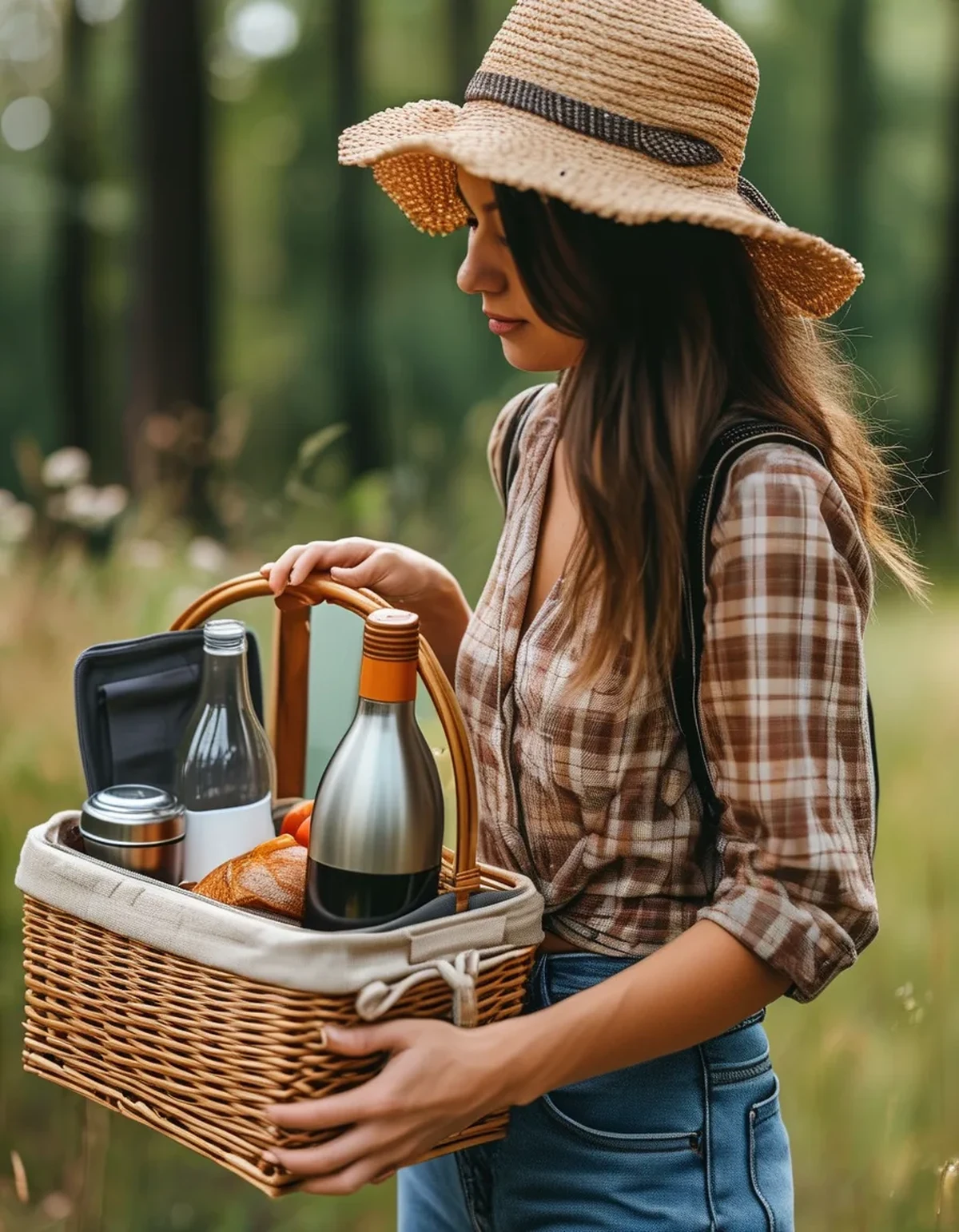
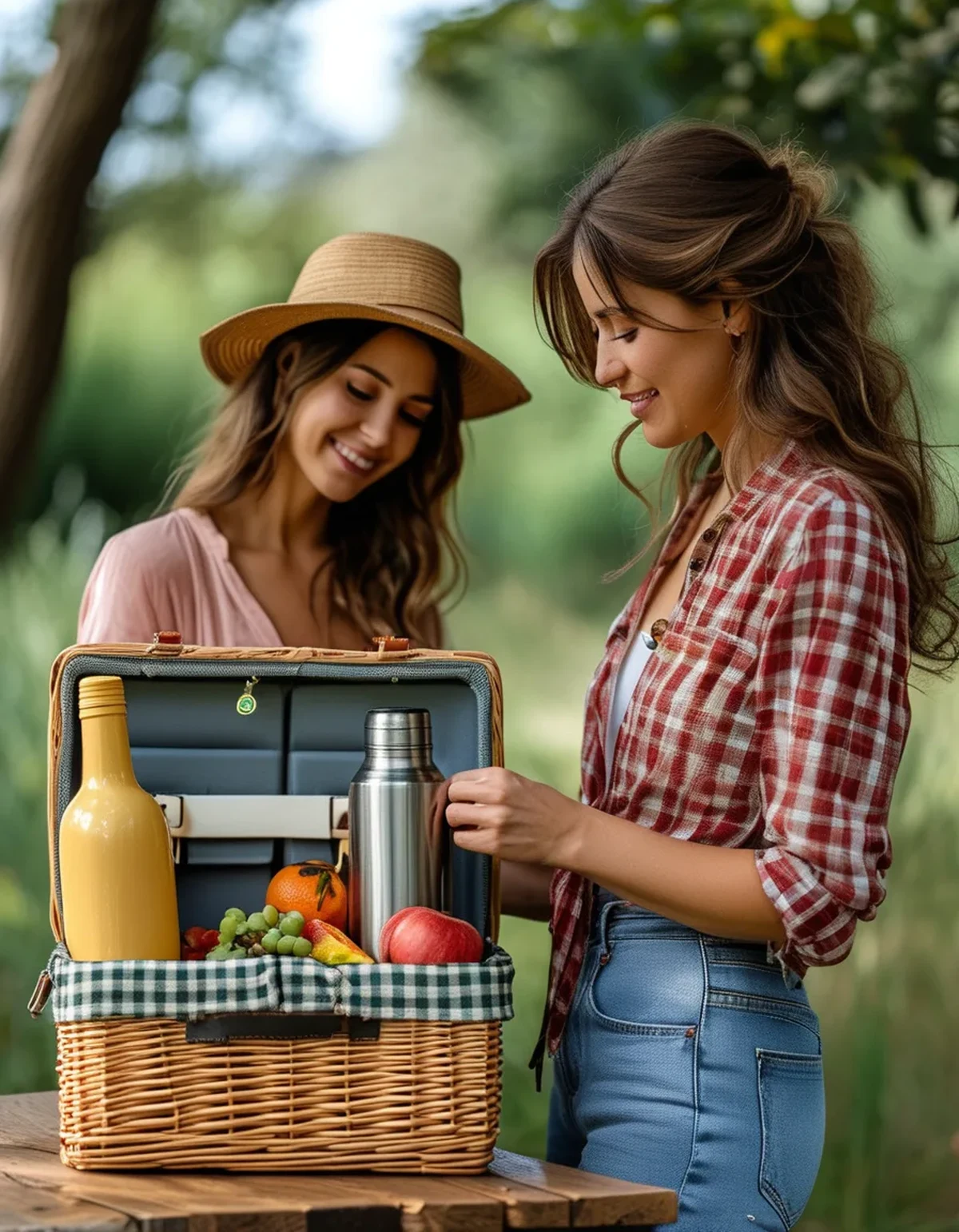
It helps, but doesn’t fully close the gap, since the basket still lacks the insulating shell that actually slows heat transfer from the outside air — ice packs inside an uninsulated basket will melt and lose their cooling effect considerably faster than the same ice packs inside a proper insulated cooler. An insulated liner or bag placed inside the basket meaningfully improves this, since it adds the missing insulating barrier while preserving the basket’s aesthetic on the outside.
What foods are actually safe to pack in a basic, uninsulated basket without much risk?
Non-perishable items — bread, whole fruit, unopened crackers, hard cheeses with lower moisture content, and shelf-stable snacks — carry minimal food safety risk regardless of temperature, making them reasonable choices for a purely decorative basket. Perishable items — deli meats, soft cheeses, mayonnaise-based salads, and anything requiring refrigeration at home — are the categories that genuinely need proper cold-chain management via a cooler or insulated liner.
Myth vs Fact: Picnic Baskets and Food Safety
Myth: A picnic basket keeps food reasonably cool for a few hours, similar to a cooler. Fact: An uninsulated basket offers essentially no meaningful insulation and food inside warms toward ambient temperature within one to two hours.
Myth: Adding a couple of ice packs to a basket makes it functionally equivalent to a cooler. Fact: Without an insulating barrier, ice packs in a basket melt and lose effectiveness considerably faster than in a proper cooler.
FAQ: Picnic Food Temperature Safety, Answered
Is it possible to have both the look of a picnic basket and real cooling performance?
Yes — many insulated liner inserts are specifically designed to fit inside decorative basket shapes, providing real cooling performance while preserving the classic picnic basket appearance.
How much does ambient outdoor temperature change the safe time window?
Significantly — food safety guidelines shorten the safe window to about one hour once ambient temperature exceeds roughly 90°F, compared to the standard two-hour guideline at more moderate temperatures.
Does a basket with a fabric lining perform any better than a plain wicker basket?
A standard fabric lining alone, without true insulating material inside it, provides negligible additional insulation compared to plain wicker — the lining needs to be specifically insulated (foam or reflective material) to make a meaningful difference.
TL;DR:
- An uninsulated picnic basket offers essentially no real insulation, warming food within one to two hours
- A quality cooler can hold food safely below 40°F for four or more hours under the same conditions
- The 40°F-140°F bacterial danger zone means a basket can put perishables at risk within a typical picnic
- An insulated liner inside a decorative basket, or simply using a cooler, closes the food safety gap
A picnic basket’s aesthetic charm doesn’t come with real cooling power, and knowing that changes what’s actually safe to pack inside one versus what belongs in a proper cooler.
Keep Reading
This article is for general informational purposes only and is not medical advice. Always consult a qualified health professional for guidance specific to you.