Wind-Proofing Your Picnic: the Skill That Separates Nice Ideas From Nice Afternoons
Quick Answer: Wind wrecks more picnics than rain — but it loses to engineering: site-select for windbreaks (treeline, dune, wall, slope-shoulder), anchor the blanket at corners and center with weight you brought or found, keep everything low and lidded, and serve in stages from closed containers. Ten minutes of setup thinking beats three hours of napkin-chasing.
Everyone checks the rain forecast; nobody checks the wind forecast — and then spends the afternoon pinning down napkins with one hand and eating gritty potato salad with the other. The breeze was in the forecast all along, listed right there under the little rain icon.

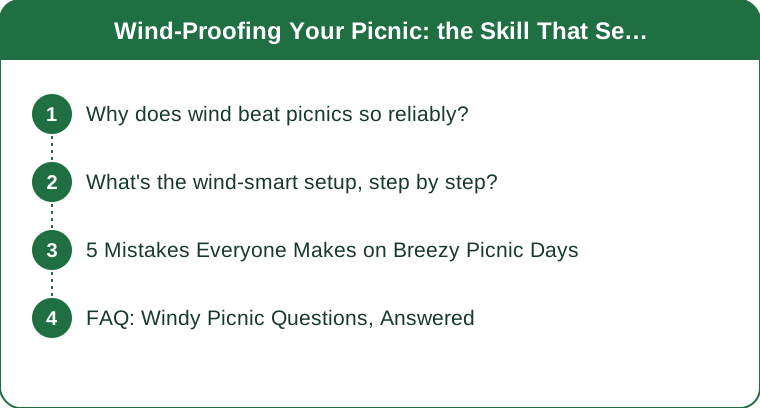
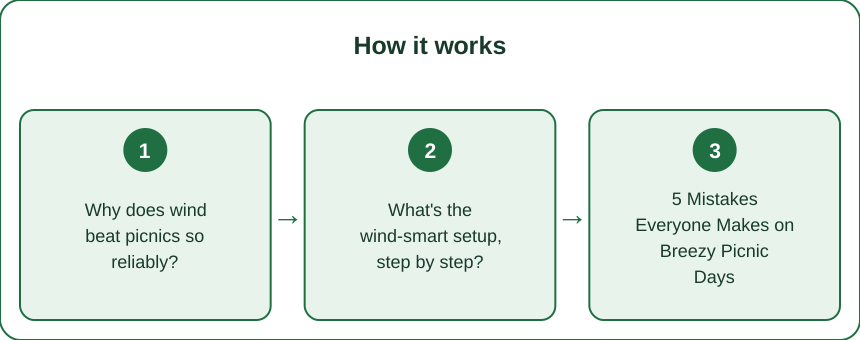
Why does wind beat picnics so reliably?
Because picnic equipment is a wind-catalog of worst-case objects: lightweight flat things (napkins, plates, blanket corners — natural airfoils), tall unstable things (bottles, cups — high center of gravity on soft ground), and open food (receiving surface for airborne grit).
Add the terrain factor people forget: the classic ‘perfect spots’ are wind traps — open hilltops (maximum exposure), beach flats (unobstructed sea breeze + sand payload), and lake shores (afternoon onshore winds are near-daily physics, not bad luck). The scenic overlook is scenic because nothing blocks the view — and nothing blocks the wind.
The reframe that fixes everything: treat wind as the default condition to engineer for, not a surprise to react to. A picnic set up wind-smart in a breeze outperforms a naive setup on a calm day that turns.
What’s the wind-smart setup, step by step?
Site selection (worth more than all the gear):
- Put a windbreak on your windward side: treeline edge, hedgerow, wall, boulder, dune back-slope — or the leeward shoulder of a hill, never its crown.
- Face the view, back to the break. Check wind direction with ten seconds of attention (grass toss, flag, hair).
Anchoring:
- Blanket: weights at four corners plus the middle of edges (the flapping starts mid-edge) — cooler, basket, shoes, filled water bottles, or the underrated move: stakeable picnic blankets or tent stakes through corner loops on grass.
- On sand: buried-corner technique (scoop, tuck blanket edge, cover) beats any weight you’d carry.
The low-and-lidded rules:
- Everything served stays low: low baskets, no tall bottles standing (lay them down or use ground-spike cup holders), plates weighted by food before napkins go on.
- Napkins under a rock ‘paperweight’ station, or swap to cloth (heavier, reusable, doesn’t fly — the elegant answer was the traditional one all along).
- Food travels and stays in lidded containers — serve portions in stages, close between rounds. Open platters are for indoor fantasies; the lidded relay is how breezy picnics actually eat well.

5 Mistakes Everyone Makes on Breezy Picnic Days
1. Choosing the view over the windbreak. The hilltop panorama costs you the entire meal experience; the treeline spot 40 meters away has 90% of the view and 20% of the wind.
2. Paper everything. Paper plates become frisbees at 15 km/h; paper napkins leave at 10. Cloth napkins + real or bamboo plates are windproofing disguised as aesthetics.
3. Setting up all the food at once. The beautiful full spread is a wind buffet — grit lands on everything simultaneously. Staged serving from lidded containers keeps course two pristine while course one is eaten.
4. Ignoring the afternoon wind shift. Coastal and lakeside breezes strengthen and often turn mid-afternoon (onshore thermal winds are a daily schedule, not weather drama). The 11am-2pm picnic dodges what the 2-5pm picnic endures.
5. No trash strategy. Wrappers escape and become litter you’re chasing across a field. A lidded trash bag clipped or weighted inside the basket ends the chase before it starts.
Mistake #1 is the identity-level one — every picnic-lover has defended a scenic wind tunnel at least once. The view forgives you for sitting slightly below it.
FAQ: Windy Picnic Questions, Answered
What wind speed makes a picnic not worth it?
Rules of thumb: under ~15 km/h barely matters with a decent setup; 15-25 km/h is very doable wind-smart; sustained 25-35 km/h means windbreak-dependent (a good dune or wall spot still works); above that, it’s a car-picnic or a rain-check. The forecast’s gust number matters more than the average.
Best food choices for breezy days?
Cohesive and heavy beats loose and light: frittata slices, filled rolls and hand pies, pasta salads with clingy dressing, whole fruit. Skip the deconstructed charcuterie of a thousand flyaway crackers — the wind curates your menu toward things that hold themselves together, which happen to travel best anyway.
Any gear actually worth buying for this?
Three cheap wins: tent stakes (blanket corners), a low-profile stake-in-ground drink holder set, and cloth napkins. The expensive pop-up windbreak screens work but a well-chosen site does their job for free.
TL;DR:
- Wind ruins more picnics than rain — engineer for it by default: windbreak on the windward side, back to the break, face the view
- Anchor corners AND mid-edges; on sand, bury the corners; keep everything low, lidded, and staged
- Cloth napkins and real plates are windproofing in disguise; morning beats the afternoon thermal breeze
- The scenic hilltop is scenic because nothing blocks the wind either — sit one notch below the postcard
The breeze was never the picnic’s enemy — the naive setup was, and that one’s entirely yours to fix.
Keep Reading
This article is for general informational purposes only and is not medical advice. Always consult a qualified health professional for guidance specific to you.