Why Late-August Picnics Need a Different Cooler Strategy
Quick Answer: In late August the ground is at its warmest of the year and picnics run later into the evening, so heat comes from below and the meal spans a bigger temperature swing. Elevate the cooler, pack it in temperature layers, and plan for food to sit out longer than it did in June.
June picnics are forgiving. The ground is still cool, you eat at two in the afternoon, and everything is packed up before the temperature does anything interesting. Late August is a different problem, and the cooler that worked all summer starts letting you down right at the end of the season.
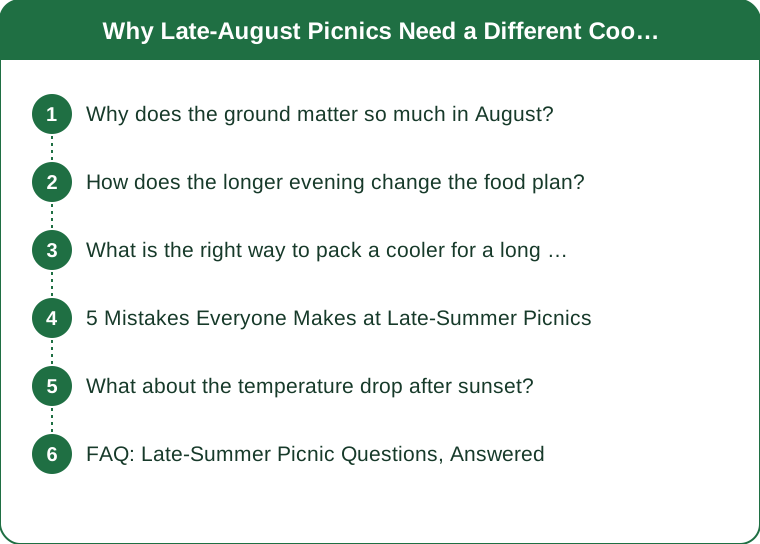
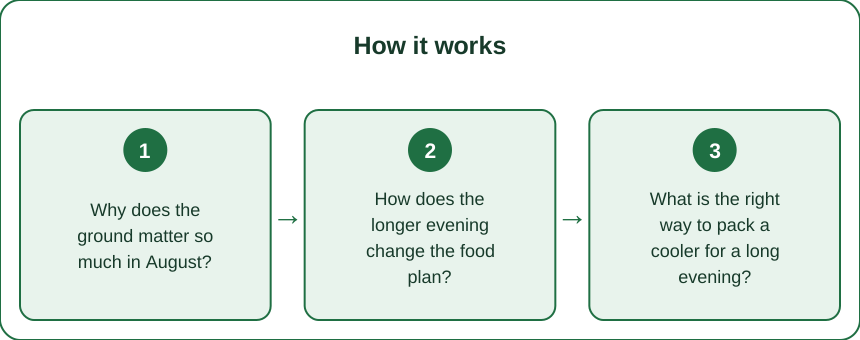
Why does the ground matter so much in August?
Soil temperature lags air temperature by several weeks. Air peaks in July; ground temperature peaks in mid-to-late August, after months of accumulated solar heating.
That matters because a cooler sitting directly on warm ground loses cold through its base by conduction, which is a far more efficient heat transfer route than the air convection hitting its sides. You insulated the top and the walls; the floor is the leak.
The fix is embarrassingly simple and genuinely effective:
- Set the cooler on a folded blanket, a foam mat, or the picnic basket lid rather than directly on grass
- Park it in shade first, and re-check the shade line every 45 minutes as the sun moves
- Keep it in the car cabin rather than the trunk on the drive, since trunks run considerably hotter
Elevating the cooler two inches off warm ground is worth more than an extra bag of ice.
How does the longer evening change the food plan?
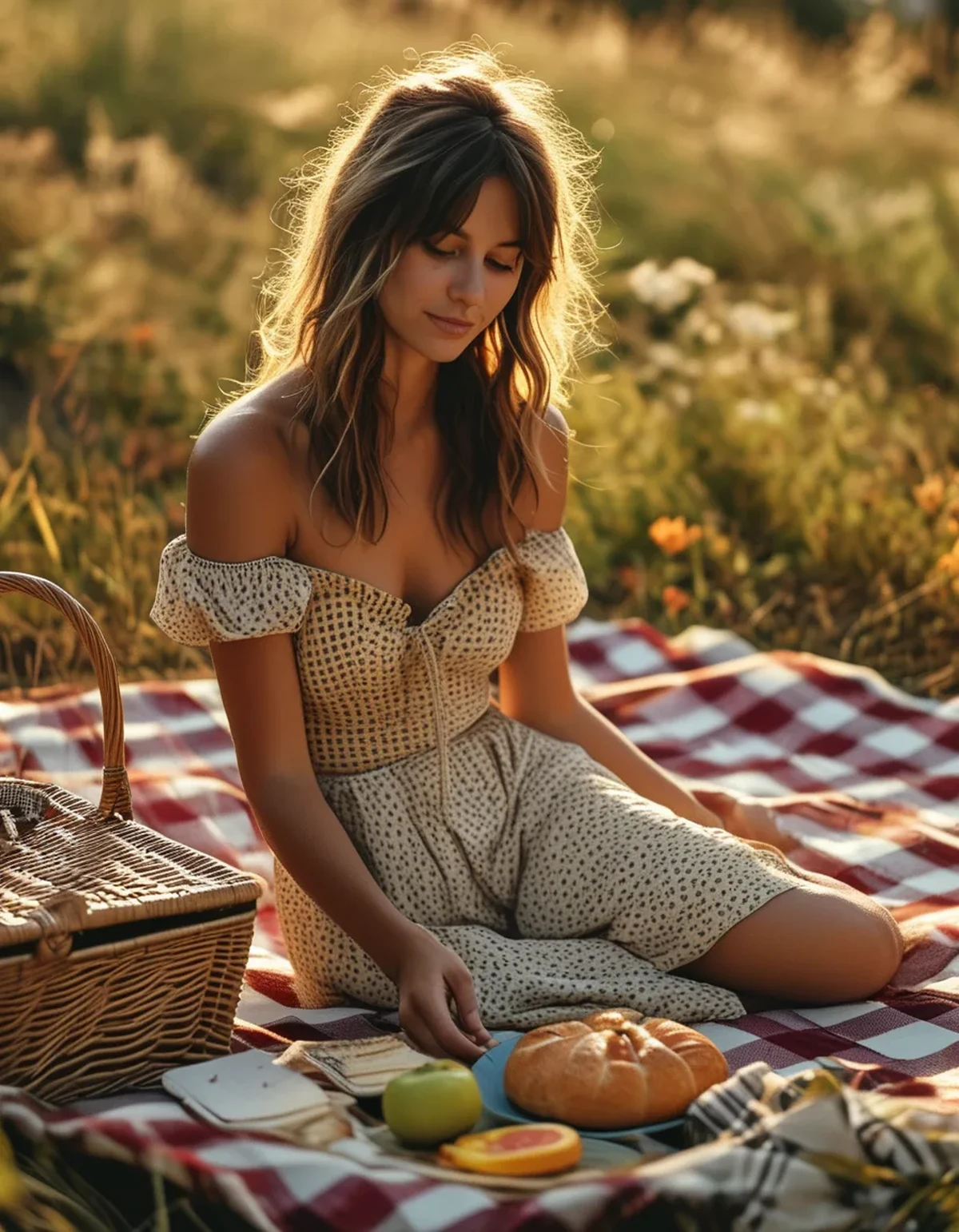
Late-August picnics stretch. Sunset is around 7:45 in much of the US, the light is beautiful, and nobody wants to leave at four.
Food safety guidance is straightforward: perishable food should not sit above 40°F for more than two hours, or one hour when the ambient temperature is above 90°F. A picnic that runs from four to eight comfortably exceeds both.
That does not mean eating early and leaving. It means splitting the menu:
- First wave, from the cooler: anything with dairy, mayonnaise, cut melon, deli meat, or cooked protein. Serve it, then put the remainder straight back in the cooler rather than leaving the platter out.
- Second wave, shelf-stable: hard cheeses, cured meats, hummus in a sealed tub, crackers, whole fruit, nuts, olives, chocolate. These carry the evening without risk.
The result is a picnic that lasts four hours with two hours of exposure for the risky items.
What is the right way to pack a cooler for a long evening?
Layering by temperature and by access order, which most people skip.
- Bottom layer: frozen items and block ice. Blocks melt far more slowly than cubes because of the lower surface-area-to-volume ratio. Frozen water bottles do double duty as ice and as drinking water later.
- Middle layer: raw or high-risk items — cooked chicken, dairy-based salads, anything you would refrigerate at home.
- Top layer: items you will open first, so you are not digging.
- Fill every gap. Air is what warms a cooler. A full cooler holds cold dramatically longer than a half-empty one; crumpled newspaper or a towel fills space if you are short on food.
Two further habits: pre-chill the cooler the night before with a bag of sacrificial ice, and use two coolers if you can — one for drinks, which gets opened constantly, and one for food, which should be opened three times all afternoon.
5 Mistakes Everyone Makes at Late-Summer Picnics
-
Draining the meltwater. Cold water is still cold. Left in the cooler it holds temperature better than the air that would replace it. Drain only if something is floating that should not be.
-
Opening the food cooler constantly. Every opening dumps the cold air. Two coolers solves this, or a designated person who fetches everything at once.
-
Putting the cooler in the trunk. Trunks can run 20 or more degrees above cabin temperature on a sunny day, and you have often lost meaningful cold before you arrive.
-
Cutting melon in advance. Cut melon is one of the more common vehicles for foodborne illness at outdoor events, because the flesh is high-moisture, low-acid, and often cut on the same board as other things. Bring it whole and cut on site, or skip it.
-
Forgetting the sun moves. The third mistake costs you cold; this one costs you the whole afternoon. The perfect shady spot at 4 PM is in full sun at 5:30, and the cooler is usually the last thing anyone thinks to move.
What about the temperature drop after sunset?
This is the part that catches people who packed for the afternoon.
In late August, the drop from peak afternoon to an hour after sunset is commonly 15 to 20 degrees, and it arrives quickly once the sun clears the treeline. Ground that felt pleasantly warm at five feels damp and cold at eight, because dew forms as surfaces cool below the dew point — and the grass gets there before the air does.
Practical additions that cost almost nothing:
- A waterproof-backed blanket or a ground tarp under the picnic blanket, which matters more in late August than at any other point in summer
- One extra layer per person, kept in the car if not the basket
- A small light, since sunset arrives noticeably earlier than it did in July and phone flashlights ruin the mood
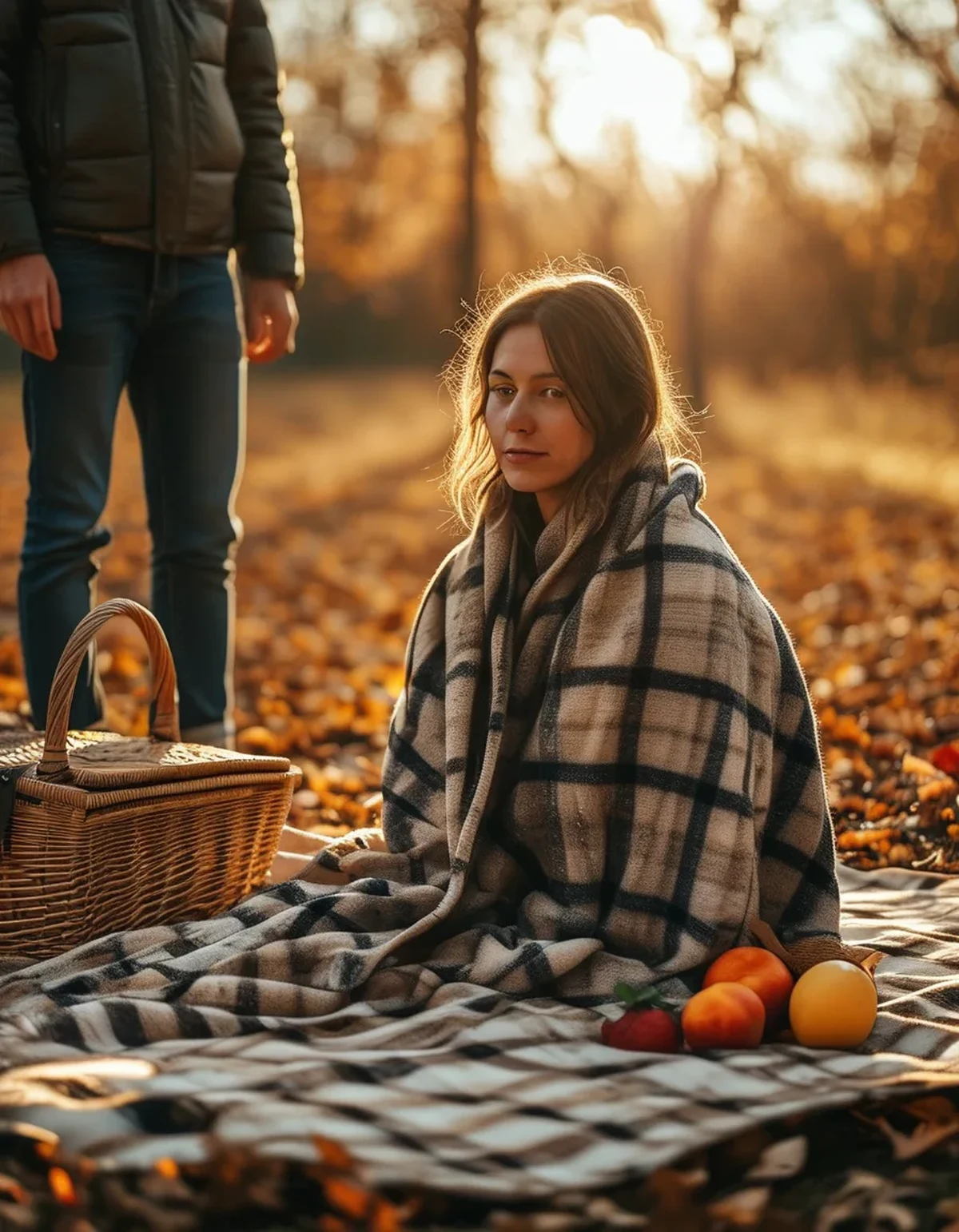
The irony of a late-August picnic is that you will want the cooler for the first three hours and a blanket for the last one.
FAQ: Late-Summer Picnic Questions, Answered
How long will a good cooler actually hold?
A well-packed, pre-chilled cooler with block ice, kept in shade and elevated, commonly holds safe temperatures for a full day. The same cooler half-empty, in sun, on hot ground, opened every ten minutes, may only manage a few hours.
Is a cooler bag good enough?
For a two to three hour picnic with a frozen brick and shade, usually yes. For a four-plus hour evening picnic in late August, a hard cooler is a meaningful upgrade.
What about wasps and yellowjackets?
Late summer is peak aggression season for yellowjackets, because their colonies are at maximum size and their food sources are shifting. Keep sweet drinks covered, use cups with lids, and put trash well away from where people are sitting.
TL;DR:
- Ground temperature peaks in late August, so elevate the cooler off the grass
- Split the menu into a cooler-served first wave and a shelf-stable second wave for the long evening
- Pack in layers, fill every gap, keep the meltwater, and use separate drink and food coolers
- Bring a waterproof ground layer and an extra layer per person for the post-sunset drop
These are the best picnic weeks of the year — long golden light, warm evenings, and no rush. A slightly different packing strategy is what lets you stay for all of it instead of packing up at six because you are not sure how long the potato salad has been sitting there.
Keep Reading
This article is for general informational purposes only and is not medical advice. Always consult a qualified health professional for guidance specific to you.